Essential oils in a professional room: dilution and disclosure

Essential oils are widely used and widely oversold. A supplier can usefully tell you what is in the bottle, how to store it and how it behaves when diluted. Anything about what it does belongs with your training and your professional body, and we are not going to pretend otherwise.
What we state and what we do not
Our listings give the botanical name, the volume and the extraction where the manufacturer states it. They do not claim that any oil treats, relieves or improves any condition, because that is not a claim a retailer can substantiate.
Where you see confident therapeutic claims attached to essential oils elsewhere, treat them with the scepticism you would apply to any unregulated health claim.
Never applied undiluted
Essential oils are concentrated and go into a carrier before they touch skin. Typical professional dilutions are low single-digit percentages, and specific figures belong with your training rather than a product page.
Diluting into a small quantity for the session rather than into a whole bottle of carrier is the usual practice, and it means one clients preference does not affect the next.
Choose the carrier deliberately
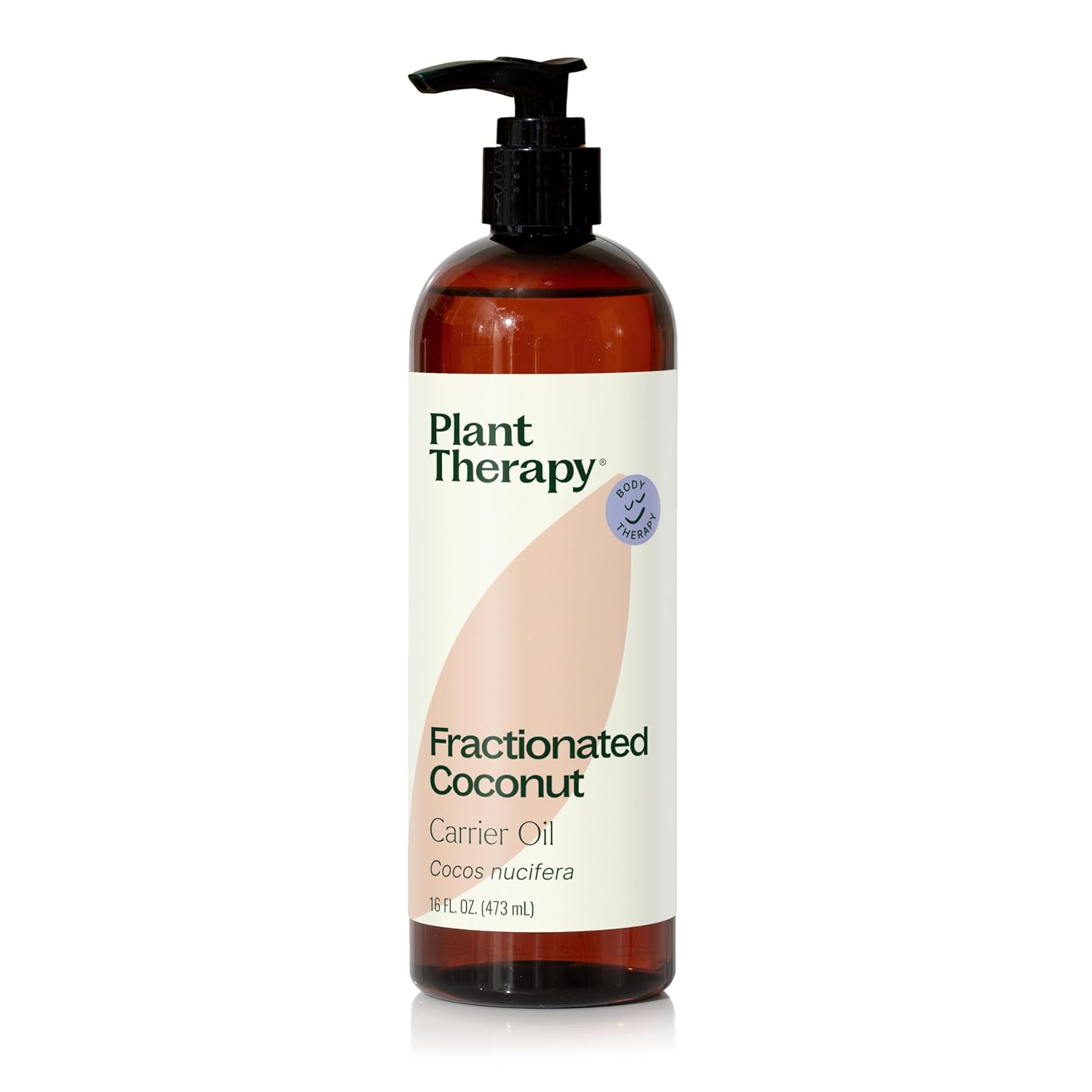
Fractionated coconut is the common choice because it is stable, long-lived and does not carry a strong scent of its own to compete. A heavily scented or short-lived carrier undermines both the blend and the shelf life.
It also washes out of linens comparatively well, which matters when you are adding a scented oil that would otherwise linger in stored sheets.
Storage: dark glass, cool, sealed
Light and heat degrade essential oils and oxygen changes their composition over time. Amber or cobalt glass exists for that reason, and they should not be decanted into plastic for storage.
A cool cupboard is sufficient. A shelf above a warmer or in a sunny window will shorten the life of a bottle considerably.
Shelf life varies more than people expect
Citrus oils in particular oxidise relatively quickly and can become more irritating as they do. Denser resinous and woody oils last much longer. A bottle open for years is not the same substance it was.
Date the bottle when you open it. It is the same discipline as any other consumable and it is routinely skipped with oils.
Patch testing and asking first
Ask every client before using anything scented, every time, rather than assuming from a previous session. Sensitivities develop and circumstances change, and pregnancy in particular is a reason to check rather than assume.
Where you do introduce something new for a client, a patch test is the cautious approach. That is a professional judgement and your training governs it.
Fragrance affects the whole room
In a shared space or a room with back-to-back appointments, a strong blend persists well beyond the session that used it. The next client did not choose it and may react to it.
This is the practical argument for an unscented default with scent added per client, rather than a scented base oil used all day.
Handling and equipment
Undiluted essential oils damage some plastics and finishes, so spills go on a surface you can clean rather than on a laminate trolley top. Wipe promptly with a cloth rather than letting it sit.
They also strip some table cover coatings. Keep the neat bottle away from the table itself as a matter of routine.
Buying volumes that make sense
Essential oils are used in very small quantities, so a small bottle lasts a long time and a large one will likely oxidise before it is finished. This is the one part of a supply order where the gallon logic does not apply.
Buy small, date it, and replace it rather than economising on volume you cannot use in time.
Where to get actual guidance
Your training provider, your professional association and your insurer. All three have positions on what you may use and how you must document it, and those positions govern rather than anything on a product page.
If a listing here appears to make a claim beyond material, volume and botanical name, tell us and we will correct it.
Oils in stock
- Bon Vital' Original Massage Oil, 1 Gallon, Unscented, Nut-Free Formula — $57.09
- Bon Vital' Rice Bran Oil, 1 Gallon Pure Cold Pressed Massage Oil — $45.08
- Bon Vital' Original Massage Lotion, 1 Gallon Pail – Non-Greasy Professional Formula — $39.99
- Plant Therapy Fractionated Coconut Oil, 16 fl oz Carrier Oil for Skin, Hair & Essential Oils — $24.99
See everything in Massage Oils & Lotions.
Working responsibly
Dilute into a stable carrier, store in dark glass somewhere cool, date the bottle on opening, ask every client every time, and buy small quantities. For anything beyond that, your training body is the right source.
Questions about anything above? Our FAQ covers the usual ones, the Shipping Policy has the delivery detail, and you can contact us directly — we answer within one business day.