Trigger point tools and protecting your own hands

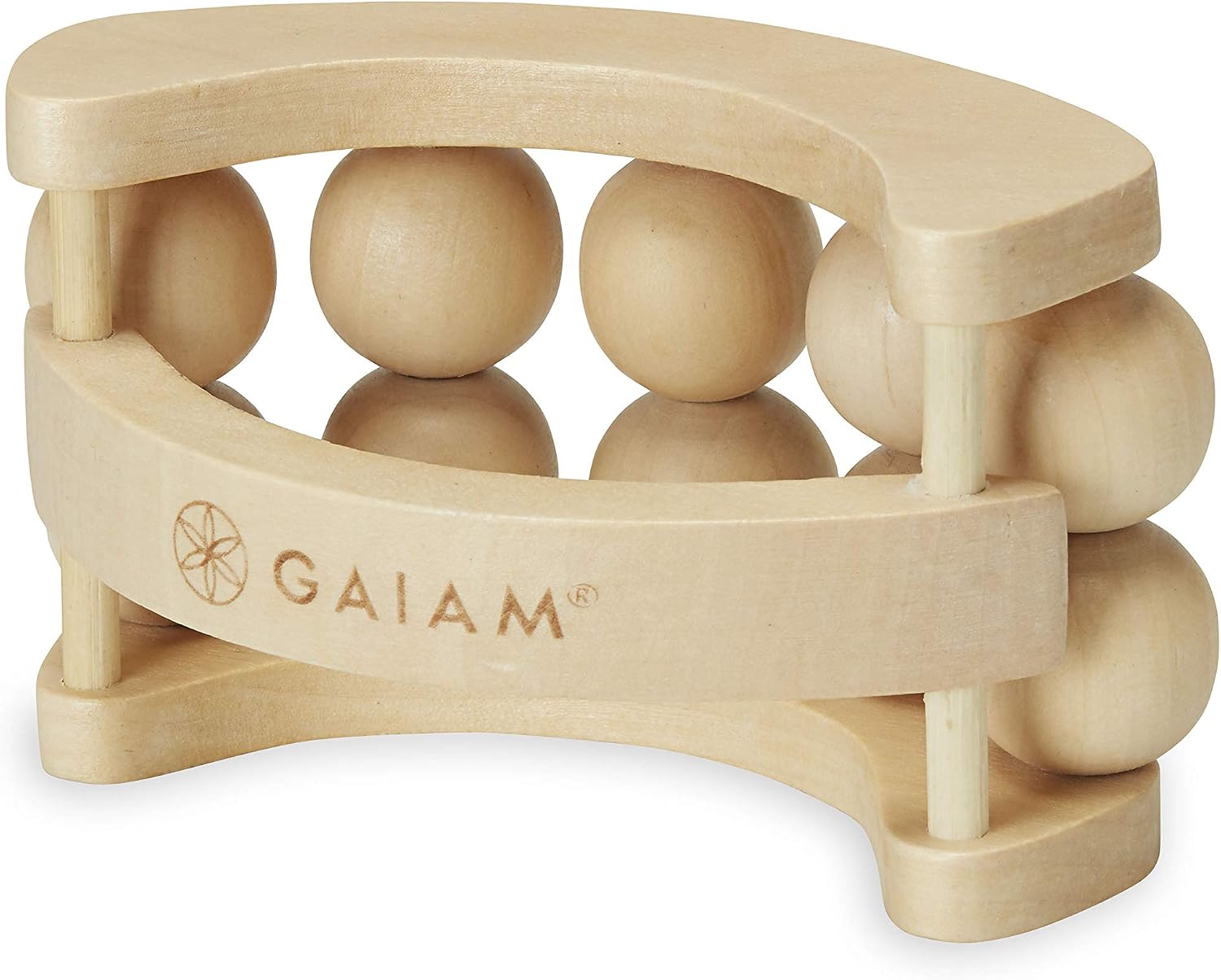
Hand tools in this trade are not a shortcut and they are not a substitute for technique. They exist because sustained deep pressure applied through the thumbs over years is what ends careers, and distributing that load is the difference between a long practice and a short one.
The thumb is the weak link
It is a small joint asked to transmit a great deal of force at an awkward angle, repeatedly, all day. Cumulative strain there is the most commonly reported problem among working therapists and it develops slowly enough to be ignored until it is not.
Any tool that lets you apply the same pressure without loading that joint is buying you working years, which is a different value proposition from convenience.
Thumb protectors and how they work
These sit over the thumb and present a hard contact surface, so the force passes through the tool rather than through the joint. They take a session or two to get used to because the tactile feedback changes.
That change in feedback is the main reason people abandon them. Persisting past the first few uses is worth it, and starting on a client you know rather than a new one makes that easier.
Palm and knuckle tools
Palm-held tools such as urchin-style pieces let you apply broad pressure through the whole hand and arm rather than through the fingers. They suit larger muscle groups and sustained pressure.
They also change your body mechanics, because the force now comes from your body weight rather than your grip. That is the point, and it is a better way to work regardless of the tool.
Wooden rollers and mobility work
A roller ball or a wooden roller covers ground and works well for warming an area and for general mobilisation. It is not a precision instrument and it is not meant to be.
Wood is used because it is warm to the touch, hard enough to transmit force and has a little give compared with steel. It also needs care that plastic does not.
Choosing a hardness that suits the work
A harder tool concentrates force and reaches deeper with less effort; a softer one spreads it and is more comfortable for the client. Having one of each covers most situations better than owning two similar tools.
Client tolerance varies more than technique does, and the ability to change tool rather than change pressure is genuinely useful mid-session.
Cleaning wooden tools
Wipe with a barely damp cloth and dry immediately. Wood should never be soaked or put through a dishwasher; it raises the grain, cracks the finish and eventually splits the piece.
A very occasional wipe with a food-safe oil keeps the surface sealed. A tool that has gone dry and rough is uncomfortable for the client and harder to clean properly.
Cleaning silicone and steel tools
These tolerate a proper wash and a disinfectant, which is a genuine advantage in a room with a strict protocol. Silicone in particular can be washed thoroughly without any concern for the material.
If your protocol requires a disinfectant on every item between clients, that is an argument for non-porous tools over wooden ones for the pieces in constant use.
Introducing a tool to a client
Say what you are about to use and why before the first contact. A hard object arriving unannounced on someone lying face down is startling, and startled tissue is tense tissue.
Most clients are entirely comfortable with tools once they know what is happening. The problem is surprise rather than the tool.
Tools do not replace assessment
A tool applies pressure where you put it. Deciding where to put it, how much and for how long is the professional part and no tool contributes to it. Anything sold as identifying or diagnosing anything is overselling.
Our listings describe material, dimensions and shape, because those are the properties a supplier can state accurately.
Building a small kit rather than a large one
Three or four tools you use constantly beats a drawer of a dozen that get tried once. Add one at a time and give each a few weeks before deciding whether it earns its place.
The ones that survive that test tend to be the simplest. Elaborate multi-function tools are the ones most often abandoned.
Tools currently in stock
- Halo Spine Stretcher for Back Pain Relief & Deep Acupressure Massage — $55.99
- AICNLY 10-Piece Basalt Hot Stone Massage Set with Adjustable Temperature Warmer — $39.99
- SITHON Professional Massage Therapist Holster Bag for 2 Bottles – Black — $13.99
- Handheld Wooden Massage Ball Roller for Deep Tissue Muscle Relaxation and Pain Relief — $11.69
See everything in Massage Tools & Equipment.
Working sustainably
Use tools to keep force off your thumbs and to move the work into your body weight. Own one harder and one softer, keep wood dry and steel or silicone for anything needing full disinfection, and tell the client before the first contact.
Questions about anything above? Our FAQ covers the usual ones, the Shipping Policy has the delivery detail, and you can contact us directly — we answer within one business day.