Linens, laundry and oil: keeping sheets usable

Massage linens have a laundry problem that ordinary household laundry does not: they are saturated with oil, and oil does not behave like dirt. Getting the routine wrong produces sheets that smell rancid within days and, in the worst case, a genuine fire risk in the dryer.
The fire risk is real and worth understanding
Oil-soaked fabric can self-heat as the oil oxidises, and a warm pile of oily linens straight from a dryer generates heat faster than it loses it. Spontaneous combustion in commercial laundry is a documented cause of fires.
The practical rules are simple: never leave oily linens balled up warm, and never leave a load sitting in a stopped dryer. Take them out and spread them to cool.
Ordinary detergent does not remove oil
Household detergent is formulated for water-soluble soil and does poorly on a heavy oil load. Sheets washed normally come out looking clean and still carrying oil, which then goes rancid and produces the smell people blame on the sheets themselves.
A degreasing additive, or a detergent specified for oil, is what actually breaks the load. This single change fixes most linen complaints in this trade.
Temperature and the balance to strike
Hotter water removes oil more effectively and shortens the life of the fabric. A warm-to-hot wash with a degreaser generally outperforms a very hot wash with ordinary detergent, and treats the linens more kindly.
Follow the fabric care label as the upper limit. Cotton takes more than blends do.
Do not overload the machine
Oil removal needs water volume and mechanical action, and a packed drum provides neither. Half-full loads clean substantially better than full ones with oily linens, which is inconvenient and true.
This is one of the main reasons a busy room ends up with linens that never quite come clean.
Skip the fabric softener
Softener coats fibres and traps residual oil against them, which is the opposite of what you want. It also reduces absorbency in anything meant to absorb.
If linens feel stiff, that is usually residual detergent rather than a lack of softener, and an extra rinse fixes it.
Store dirty linens dry and loose
A sealed bag of damp oily sheets left overnight is where the worst smells originate. An open hamper with airflow, emptied daily, is what prevents it.
The same applies after washing: fully dry before folding and storing, or you are storing damp cotton with residual oil in it.
Where disposables make more sense
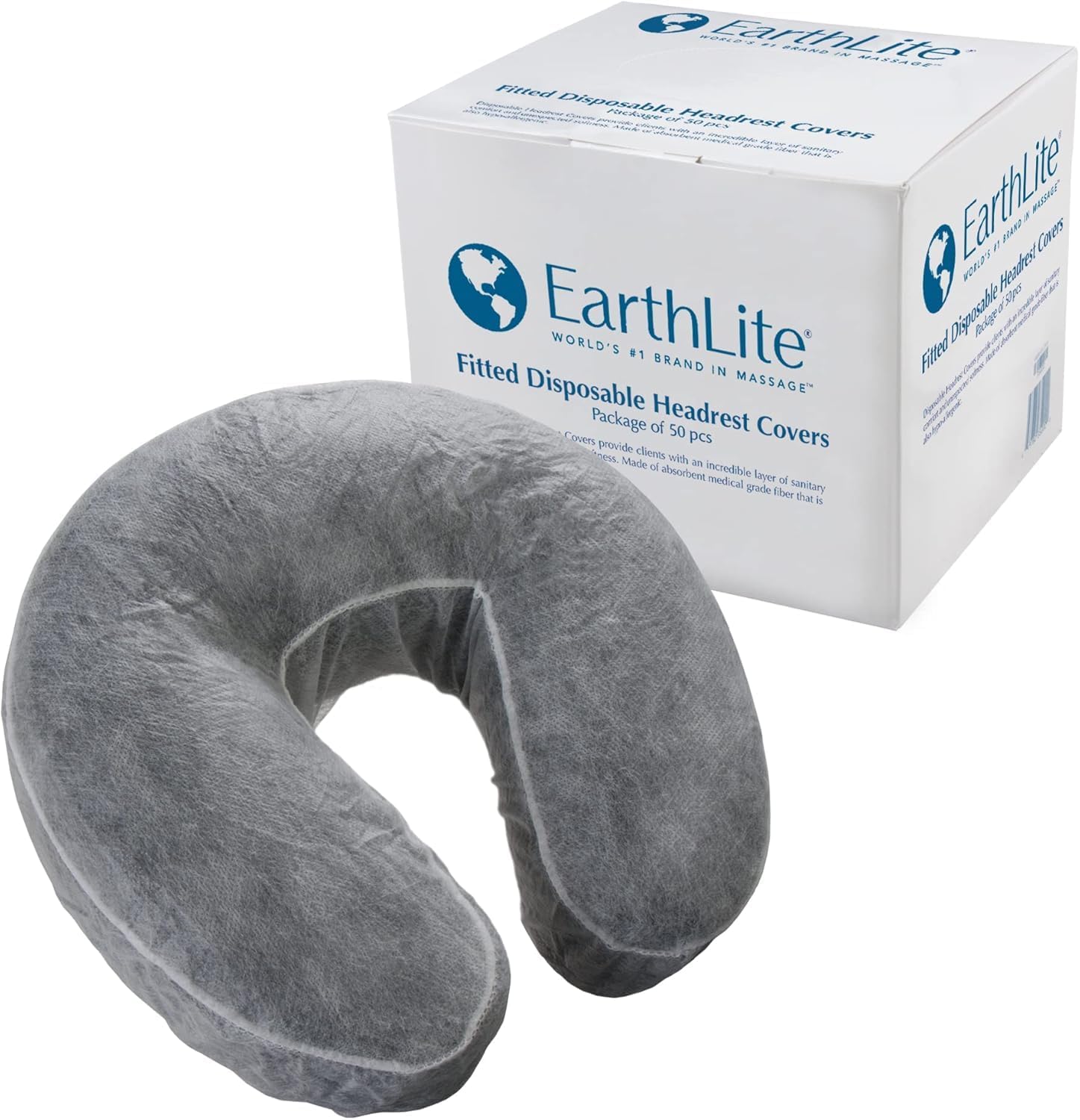
For high-volume rooms, disposable sheets remove the laundry problem entirely at a per-treatment cost. Many rooms run a hybrid: reusable for the layers that do not take oil directly and disposable for those that do.
The right split depends on your volume and whether laundry is done in-house or sent out, and it is worth actually costing rather than assuming.
Colour choice and oil marks
White shows every mark and is easy to bleach; dark colours hide marks and cannot be bleached. Neither is wrong, but choosing one and being consistent makes the laundry routine simpler.
Mid-tones are the worst of both: they show marks and cannot be treated aggressively.
When to retire a sheet
When it holds a smell after a proper degreasing wash, when it feels permanently tacky, or when it is thin enough to tear under a client. All three are past the point where laundry helps.
Retired sheets are useful as equipment covers and cleaning cloths, so they do not have to be thrown away, but they should come out of client rotation.
Holding enough to rotate
Three full sets per table is a workable minimum: one on, one in the wash, one clean and ready. Two sets means laundry becomes urgent, and urgent laundry is where the shortcuts creep in.
This is the same principle as any other consumable, and it is the reason linens are sold in multi-packs. A fourth set is worth having if you work weekends, because that is when the laundry cycle stretches.
Drying is where most of the damage happens
High dryer heat bakes any oil the wash left behind into the fibres, which is what turns a faintly oily sheet into a permanently tacky one. A moderate heat setting removes less oil in the wash but does far less harm to what remains, and the fabric lasts noticeably longer for it.
Line drying in sunlight is better still where it is practical. Sunlight lifts residual marks that no wash cycle touches, and it costs nothing beyond the space to do it.
Washing new linens before first use
New cotton carries manufacturing sizing that repels oil rather than absorbing it, so a brand-new sheet performs worse than a broken-in one and marks more obviously. One or two washes before it goes into rotation solves this entirely.
It also gives you the shrinkage before the sheet is measured against a table rather than after, which matters for fitted linens where a few per cent decides whether the corners still reach.
Linens in stock
- XATUMO Disposable Massage Table Sheets, 100-Count, 31" x 71" White — $29.99
- Fitted Disposable Headrest Covers for Massage Tables & Chairs – Clear, 50 Count — $21.99
- rngwaper 200pc Ultra-Soft Disposable Face Cradle Covers for Massage Tables & Chairs — $16.99
See everything in Massage Linens.
A laundry routine that works
Use a degreaser rather than ordinary detergent, wash warm and half-loaded, never leave oily linens balled up warm, skip the softener, dry completely before storing, and hold three sets per table.
Questions about anything above? Our FAQ covers the usual ones, the Shipping Policy has the delivery detail, and you can contact us directly — we answer within one business day.